在澳洲培育具氣候韌性的城市:來自氣候變遷第一線國家的以自然為本案例
作者: Gail Hall/Gail Hall
Gail Hall/Gail Hall
Greener Infrastructure Consulting 總監
Director and Principal consultant Greener Infrastructure Consulting
摘要
澳洲城市正處於氣候風險的第一線,同時承受極端高溫、洪水、水資源壓力與生物多樣性衰退等複合型衝擊。為回應此一挑戰,新一波的實務作法正將以自然為本的解決方案,視為不可或缺的城市基礎設施,而非僅屬於附加性的景觀設施。本文探討墨爾本與阿德雷德如何透過績效導向的都市規劃、水敏感型都市設計(Water Sensitive Urban Design, WSUD)及都會尺度的整合治理,推動綠色基礎設施的發展。
文章分析墨爾本市如何整合《都市森林策略》、氣候調適規劃與「綠化係數」(Green Factor)工具,該工具用以量化並規範私有土地上的綠化成果;同時探討阿德雷德透過「綠色阿德雷德」(Green Adelaide)所採取的區域整體作法,結合樹冠層擴增、生態復野與活化海岸線,並配合補助機制與共享資料平台。這兩個案例共同顯示,城市可透過轉向可衡量、具多重效益的成果導向方式,回應私有土地樹冠流失與標準零散化的雙重挑戰,其效益包括城市降溫、洪水緩解、生物多樣性復育與社會公平。
在國家層級方面,如「自然正向計畫」(Nature Positive Plan)與「自然修復市場」(Nature Repair Market)等政策轉向,提供了有利的制度環境,然而在大尺度落實上,地方層級的領導力仍具關鍵作用。本文最後提出景觀專業者的實務角色,強調將土壤、遮蔭、水文與棲地視為核心績效系統進行設計,並勾勒出一條邁向具備氣候韌性、生物多樣性與社會公平之澳洲城市的實踐路徑。
Abstract
Australian cities sit on the front line of climate risk, experiencing compounding heat, flooding, water stress and biodiversity decline. In response, a new wave of practice is embedding nature-based solutions as essential urban infrastructure rather than optional amenity. This article examines how Melbourne and Adelaide are advancing green infrastructure through performance-based planning, water sensitive urban design (WSUD), and metropolitan-scale coordination. It analyses the City of Melbourne’s integration of the Urban Forest Strategy, climate adaptation planning and the Green Factor tool, used to quantify and require greening outcomes on private land, as well as Adelaide’s region-wide approach through Green Adelaide, which couples canopy expansion, rewilding and living shorelines with grants and shared data. Together, these cases show how cities can address the dual challenge of canopy loss on private land and fragmented standards by shifting to measurable, multi-benefit outcomes including urban cooling, flood mitigation, biodiversity recovery and social equity. National policy shifts, such as the Nature Positive Plan and Nature Repair Market, signal an enabling context, but local leadership remains pivotal to implementation at scale. The article concludes with practical roles for landscape professionals in designing soils, shade, hydrology and habitat as core performance systems, and outlines a pathway for climate-ready, biodiverse and equitable Australian cities.
Preface
Cities everywhere are grappling with the combined pressures of urbanisation, biodiversity loss, and climate change. These challenges are often addressed separately and at a local scale, resulting in fragmented policies and inconsistent outcomes. Yet the problems we face; extreme heat, declining ecosystems, and increased flood risk are interconnected. They require integrated solutions and consistent tools that can be applied across jurisdictions.
This article explores how Australian cities are responding to these pressures, what transformations are needed to embed nature in urban environments, and how planning systems can evolve to support greener, more resilient development. It also examines the role of tools such as Green Factor scoring in ensuring that new developments contribute meaningfully to urban greening. While Australia is still determining how national biodiversity requirements will apply to cities, local governments are already pioneering innovative approaches that offer valuable lessons for the global landscape architecture community.
Climate Crisis and Biodiversity Loss
Australian cities are on the frontline of climate impacts. Extreme heat, worsening air quality, biodiversity decline, and increased flood risk are already affecting liveability, public health, and economic productivity. Australia has already warmed by approximately 1.6 °C between 1850–1900 and 2011–2020, compared with ~1.1 °C globally. This is around 1.4 times the global warming Grose et al. (2023). The Australian Biodiversity Council reports that since European colonisation, Australia has lost thousands of native species, including an estimated 9,111 invertebrate species, placing it among the nations with the highest recorded biodiversity loss globally.
Green infrastructure supports climate resilience in multiple ways: cooling cities, restoring biodiversity, improving air quality, managing stormwater, and embedding nature into development. Nature-based solutions; including trees, green roofs, rain gardens, wetlands, and living shorelines are among the most cost-effective and evidence-based tools available to cities. But their benefits are only realised when implemented at scale and to a consistent standard.
Australia’s national policy landscape is also shifting. The Nature Positive Plan (2022) and Nature Repair Act (2023) signal a major step toward national biodiversity accountability. The Nature Repair Market, launched in 2025, creates financial incentives for ecological restoration. However, how these national requirements will apply to cities remains unclear, leaving local governments to lead the way.
The Scale of the Challenge
Across Australia, two dominant and compounding urban development trends are driving a sustained loss of urban greening: suburban densification and greenfield expansion. These trends are occurring in the context of an acute housing crisis, with all levels of government under pressure to rapidly increase housing supply in well‑located urban areas. While increasing density is essential to address housing affordability and population growth, it is frequently being delivered without sufficient safeguards for urban greening.
National analysis in Where Should All the Trees Go? shows that hard surfaces and low‑biodiversity turf now dominate more than half of the spatial area of most Australian capital cities, significantly limiting ecological function and climate resilience. Between 2008 and 2016, more than half of metropolitan local government areas experienced a net loss of tree canopy, with some inner and middle‑ring areas recording losses of up to 20 per cent.
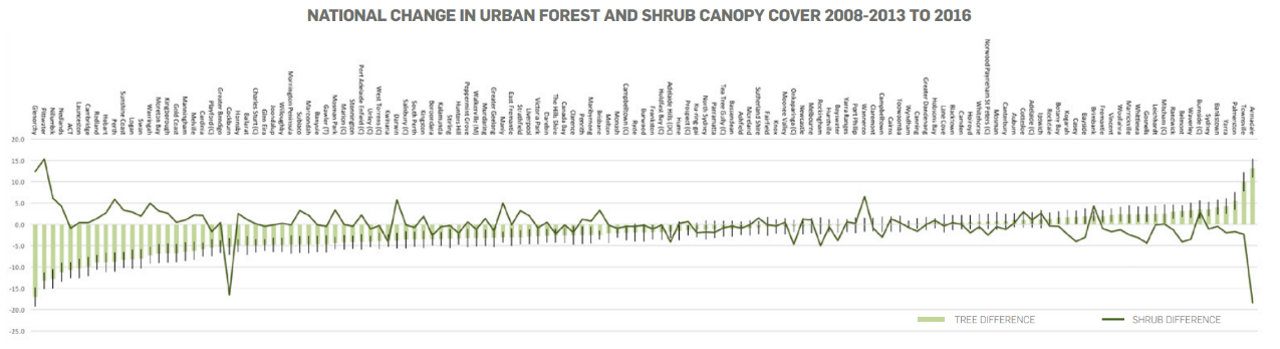 Figure 1: Loss of canopy from 2008-2013 to 2016 for all 139 metropolitan local government areas. From report - Where should all the trees go?
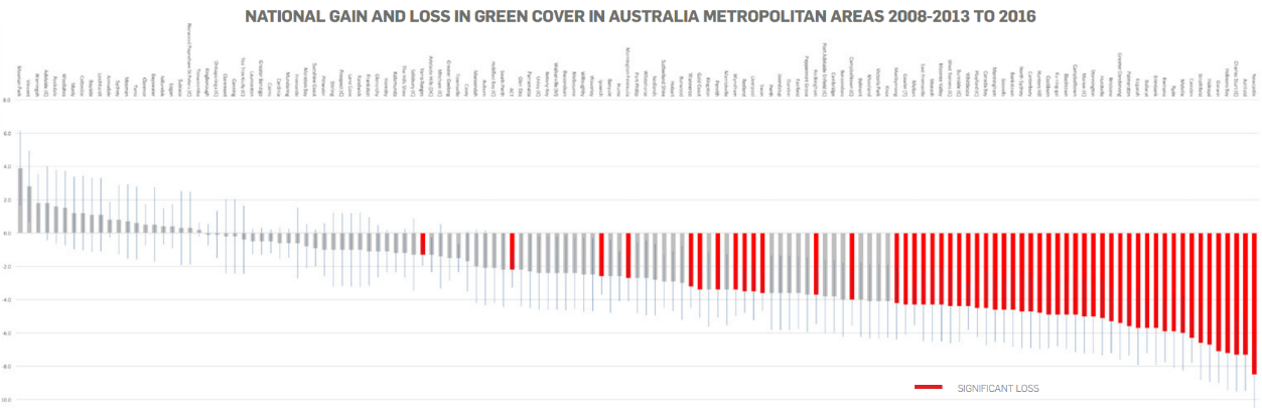
Figure 2: Loss of total green space (canopy, shrubs and turf) From report - Where should all the trees go?
Urban infill and suburban densification are accelerating rapidly across Australian cities as governments prioritise housing supply to respond to affordability pressures. ABS census data shows that the national dwelling stock grew by almost 10 per cent between 2016 and 2021, with the strongest growth in New South Wales, Victoria, Queensland and the ACT. Much of this growth has occurred through small‑scale infill redevelopment, such as dual occupancies, townhouses and low‑rise apartments, rather than coordinated precinct‑scale renewal.
Evidence from multiple Australian cities demonstrates that infill development is one of the strongest drivers of tree canopy loss, particularly where redevelopment occurs lot‑by‑lot on private land. Increased site coverage, reduced deep soil zones, basement parking and minimal setbacks significantly constrain space for canopy trees. In many established suburbs, housing redevelopment is occurring faster than trees can mature, resulting in long‑term net losses even where replacement planting is required. While higher density housing is critical to addressing the housing crisis, current planning settings often frame greening as secondary to housing yield. This creates a false trade‑off between housing supply and environmental outcomes, rather than embedding greening as essential urban infrastructure that supports thermal comfort, health and liveability for growing populations.
Most urban canopy loss occurs on private land, which makes up the majority of the urban footprint in Australian cities. Local governments are often responsible for ambitious canopy targets, heat mitigation and community wellbeing, yet they have limited regulatory control over vegetation on private residential land. Where controls exist, they vary significantly between jurisdictions and are frequently overridden by development and housing supply objectives. As redevelopment intensifies in established suburbs, private land is increasingly characterised by hard surfaces, minimal vegetation and fragmented green space. Without stronger policy intervention, private redevelopment will continue to be the primary driver of canopy decline, undermining public investment in street trees, parks and open space.
Australia has a growing landscape of urban greening initiatives, including programs such as NSW Greening Our City, the South East Queensland Liveability Fund, Western Australia’s Let’s Grow framework, Green Adelaide, and Victoria’s Nature Fund. These initiatives demonstrate innovation, community‑led greening, incentives for private land and long‑term stewardship models. However, they remain fragmented, unevenly funded and primarily state‑based. There is currently no national policy framework that mandates minimum urban greening standards or consistently embeds nature‑based solutions into housing delivery, infrastructure planning and urban development. Greening controls are often discretionary, negotiated on a project‑by‑project basis, and vulnerable to being diluted when housing targets are prioritised.
The release of Australia’s first National Climate Risk Assessment and National Adaptation Plan represents an important acknowledgment of escalating climate risks, including extreme heat, urban heat islands, flooding and biodiversity loss. The assessment clearly identifies risks to urban communities, infrastructure and health, many of which are directly linked to declining green cover. However, the National Adaptation Plan is high‑level and enabling rather than directive. It does not establish enforceable standards, statutory responsibilities or dedicated funding pathways to deliver urban greening at scale. Responsibility for implementation largely sits with state and local governments, without a corresponding increase in authority, resources or consistency.
This is particularly challenging in the context of the housing crisis, where local governments are under pressure to approve additional housing while simultaneously managing rising heat, flood risk and declining amenity. Without clearer national leadership, greening outcomes are often compromised in the short term to meet housing delivery targets. The combined effect of these trends is a growing structural imbalance in Australian cities. Urban density is increasing faster than green cover. Private land redevelopment is driving most canopy loss, yet policy levers are weakest in this space. Climate risks are nationally recognised, but climate adaptation and greening are not consistently embedded in statutory planning systems. Local governments carry increasing responsibility for delivery, without commensurate powers or funding.
Without coordinated national leadership, Australia’s cities will continue to lose vegetation faster than it can be restored, locking in higher urban temperatures, greater flood risk, declining biodiversity and widening health and equity impacts. These outcomes disproportionately affect high‑density and lower‑income communities, where housing affordability pressures are greatest and access to green space is often lowest.
Trees remain central to urban greening, but canopy alone cannot address the challenge in dense urban environments. Green roofs, green walls, vegetated façades, balconies, pocket parks, raingardens and water‑sensitive urban design are increasingly essential to delivering ecosystem services where land availability is constrained. These approaches can support higher‑density housing while maintaining liveability, yet they are rarely mandated and are inconsistently integrated into planning controls, building standards and infrastructure funding.
Green infrastructure, using nature‑based solutions such as plants, soil and water, must be treated as essential urban infrastructure that enables climate adaptation, housing liveability and long‑term resilience, rather than as a discretionary add‑on.
Two case studies help to show how, on a city and regional scale, they are coordinating and collaborating, without a national mandate, using Nature-based solutions to adapt their urban areas to climate change.
Melbourne: A Case Study in Urban Greening Innovation
Melbourne demonstrates how large, dense cities can embed greening into mainstream planning, water management and climate adaptation, treating nature as critical urban infrastructure rather than amenity.
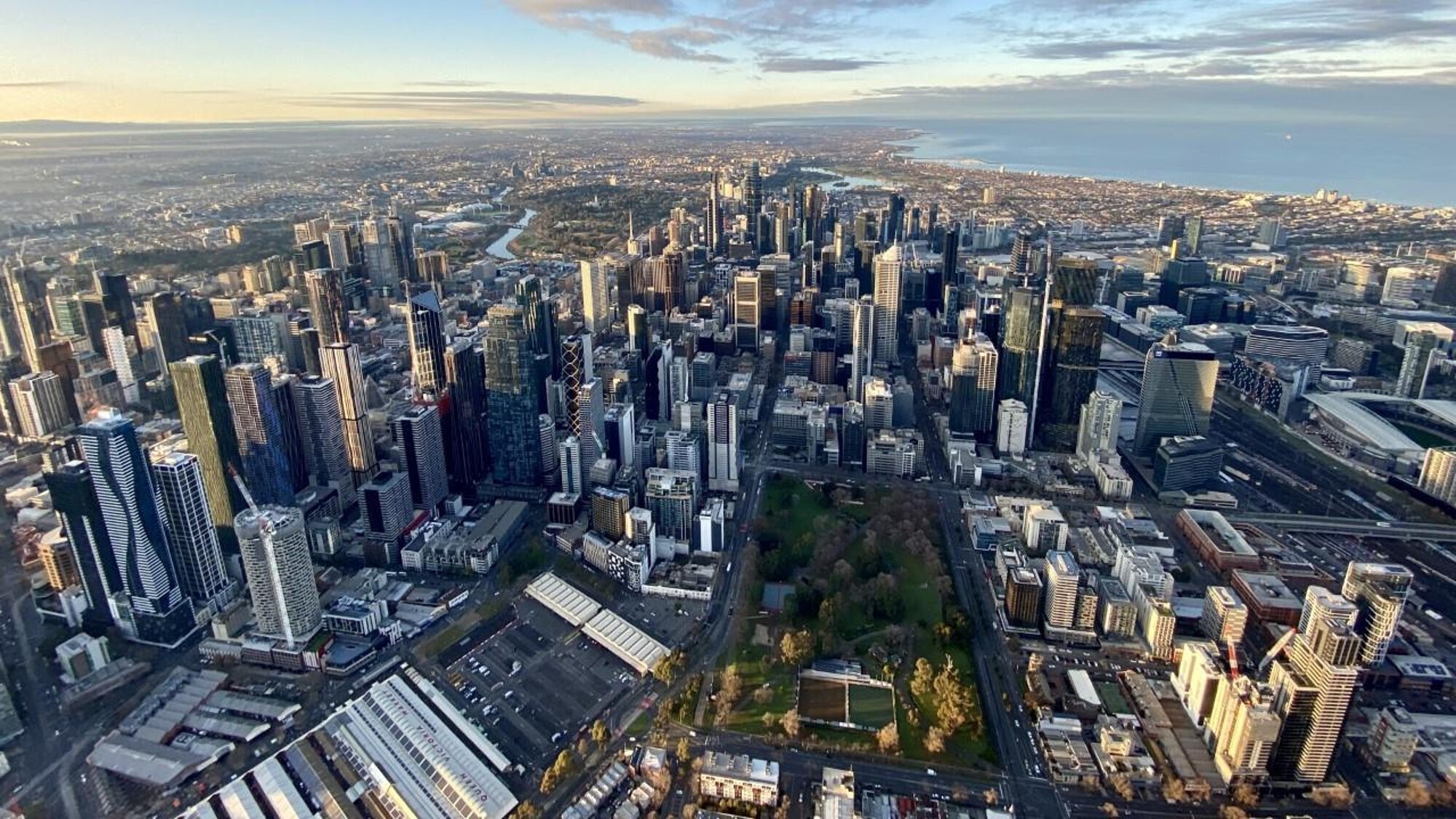 Image 1: Melbourne from above, looking south. Gail Hall
The City of Melbourne has been a national and international leader in urban forest planning, water sensitive urban design (WSUD), and climate adaptation for more than a decade. Its approach is complemented by metropolitan‑scale coordination through water authorities, neighbouring councils, and, to a lesser extent state level support.
Melbourne is highly vulnerable to extreme heat, urban heat island effects, pluvial flooding, drought and biodiversity loss, particularly in heavily urbanised inner‑city and renewal precincts. The city has responded by integrating greening into waterway restoration, planning controls, and climate adaptation strategies, supported by strong data and policy levers.
Water Sensitive Urban Design & Waterway Restoration
Melbourne has used WSUD and waterway restoration to turn previously engineered drainage systems like the Moonee Ponds Creek and Merri Creek into cooling, flood‑buffering and biodiversity assets.
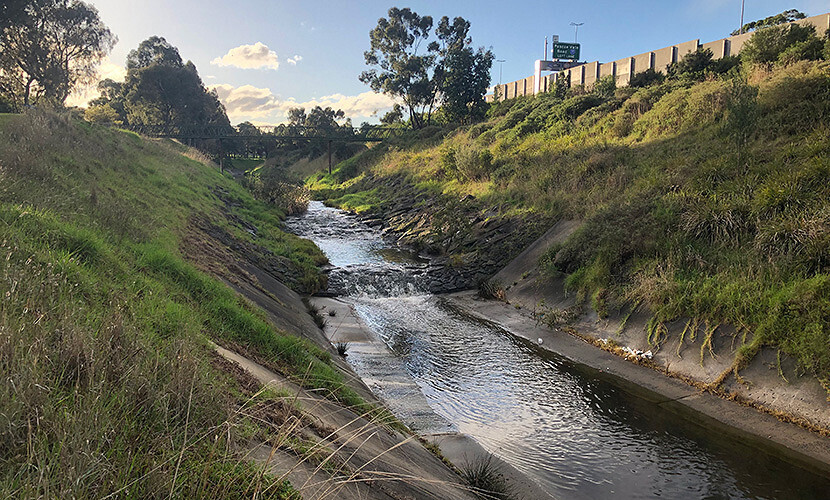 Image 2: Moonee Ponds Creek before restoration. Victorian State Government
Moonee Ponds Creek has long functioned as a concrete stormwater channel. The Moonee Ponds Creek Strategic Opportunities Plan was developed to position the creek as a backbone for future growth, integrating flood management, biodiversity, cooling, recreation and cultural values across multiple precincts. Through collaboration between the City of Melbourne, Melbourne Water, neighbouring councils and Traditional Owners, sections are now being naturalised and re‑imagined as multifunctional green corridors. Works include:
-
- Removing concrete channelisation and introducing rock riffles and low‑flow meanders
- Constructing wetlands and flood terraces to slow flows and improve water quality
- Planting tens of thousands of native trees and understorey plants
- Creating shaded shared paths and new open spaces connected to urban renewal areas
- Embedding WSUD into surrounding precinct development (Arden–Macaulay, Docklands)
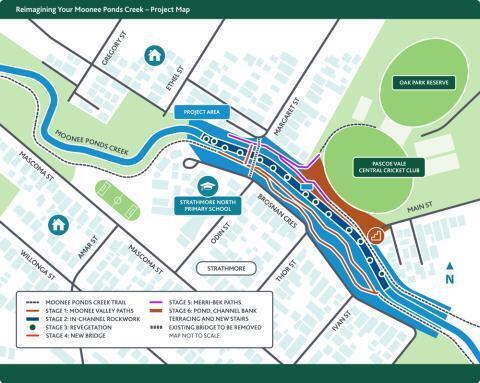
Image 3: Moonee Ponds Creek restoration plan for one section. Melbourne Water
Merri Creek represents one of Australia’s longest‑running urban restoration efforts. Over several decades:
-
- Degraded riparian corridors have been revegetated with indigenous species
- Constructed wetlands at key confluences (e.g. Merri–Edgars Creek) treat urban stormwater
- WSUD systems across upstream suburbs reduce polluted runoff into the creek
- Community stewardship and Traditional Owner knowledge are embedded in management
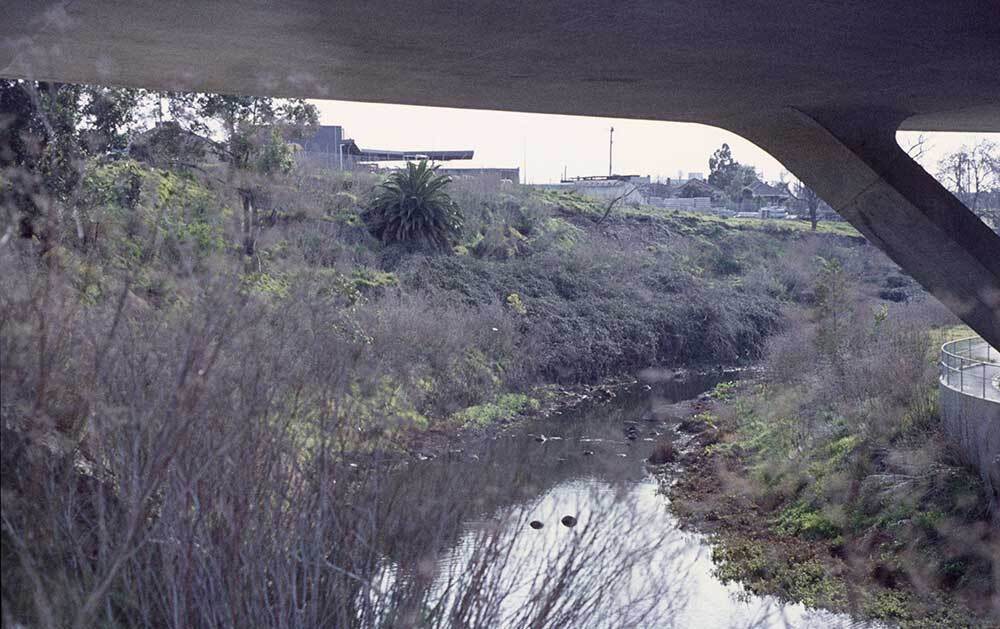 Image 4: Merri Creek 1982 before restoration. MCMC
The creek now functions as a linear cooling and biodiversity corridor, connecting inner‑city neighbourhoods to regional ecosystems and the Yarra/Birrarung River.
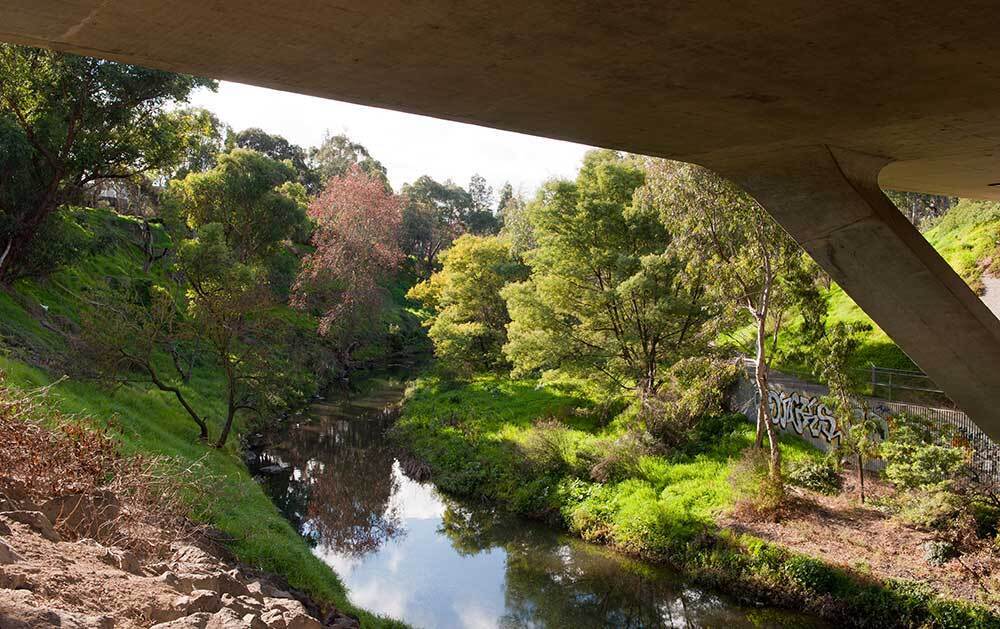 Image 5: Merri Creek 2015 After Restoration. MCMC
Why this matters for climate resilience
-
- Naturalised waterways reduce peak flood flows and manage intense rainfall events
- Wetlands and vegetation store water and support drought resilience
- Shaded creek corridors create local temperature reductions during heatwaves
- Connected habitats support biodiversity recovery and resilience
- Waterways act as living infrastructure supporting dense urban renewal.
The City of Melbourne has made water‑sensitive urban design (WSUD), and particularly stormwater harvesting, a core part of its climate resilience and greening program, recognising stormwater as a resource rather than a disposal problem. Across streets, parks, renewal precincts and waterways, the city integrates rain gardens, bio‑retention tree pits, wetlands, infiltration systems and underground storage to capture, clean and reuse stormwater for irrigation of trees and public landscapes, reducing reliance on potable water and improving vegetation survivability in hotter, drier conditions.
Large‑scale harvesting systems now support major parks and streetscapes in the central city, Carlton and East Melbourne, while decentralised systems are embedded into road upgrades and park renewals. This approach delivers multiple climate benefits simultaneously: reducing flood peaks during intense rainfall, improving downstream water quality, providing passive irrigation for urban greening, and creating cooler microclimates through healthy, well‑watered vegetation. By linking stormwater harvesting directly with urban forest growth, waterway restoration and planning controls, Melbourne has demonstrated how WSUD can function as multi‑benefit climate infrastructure, rather than an add‑on water management measure.
These projects demonstrate how WSUD and ecological restoration can replace hard drainage with multi‑benefit systems that manage climate risk while improving liveability.
Urban Forest, Urban Greening & Nature‑Positive Planning
Melbourne has embedded urban greening into both the public and private realm through long‑term strategies and proposed planning controls.
The City of Melbourne’s award-winning Urban Forest Strategy (2012–2032) reframed trees and vegetation as critical urban assets. Key elements include:
-
- Increasing public‑realm canopy cover from approximately 22% toward 40% by 2040
- Diversifying species and age structure to reduce climate and pest risk
- Improving soil volume, moisture and tree health
- Prioritising planting in streets and precincts most exposed to heat.
This is supported by the Nature in the City Strategy, which focuses on habitat, ecological connectivity and biodiversity outcomes alongside canopy growth.
The Green Our City Strategic Action plan 2017-2021catylysed the increase in private realm greening, particularly in new developments across the city. It helped Melbourne go beyond strategy by seeking to embed greening requirements into statutory planning:
-
- Planning Scheme Amendment C376 (Sustainable Building Design) introduces new standards for urban cooling, urban ecology and integrated water management in most major new developments
- The amendment requires most developments to achieve a minimum Green Factor score of 0.55, ensuring private developments contribute meaningful green infrastructure.
Green Factor tools measure greening within a development site and assign weighted scores based on ecological value, visibility, accessibility, and performance. The Green Factor Tool for Melbourne was an Australian first, particularly as on online assessment framework. It was introduced in Melbourne in 2020 and specifically:
-
- Quantifies the quality and performance of green infrastructure (trees, green roofs, walls, rain gardens, soil depth)
- Prioritises outcomes for heat reduction, stormwater management, biodiversity and amenity
- Shifts greening from discretionary design choice to measurable planning requirement.
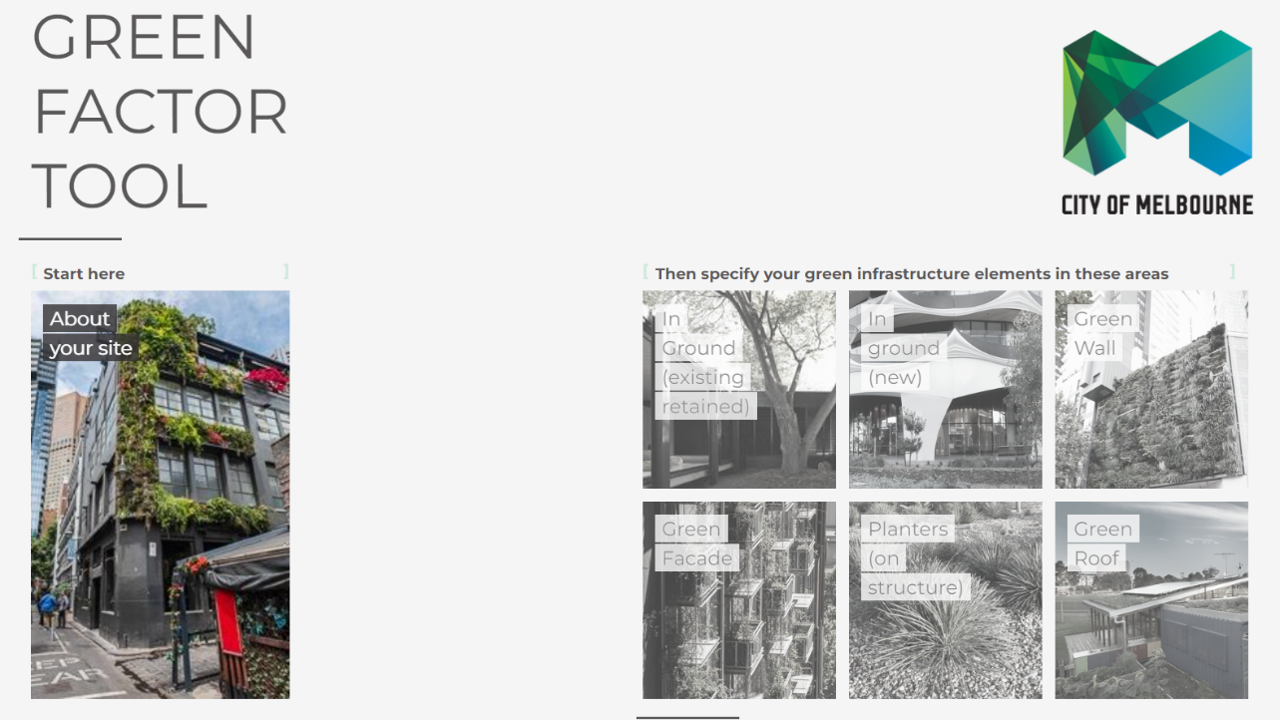 Image 6: Green Factor Tool website, City of Melbourne
This approach intends to ensure that private land contributes to city‑wide cooling and flood resilience, not just public space. See the tool here www.greenfactor.com.au
Melbourne’s comprehensive greening efforts include:
-
- 60,000 new street and park trees established or replaced
- A more than doubling of the green roofs, walls and podium landscaping in new developments since 2015
- AUD$3.2 million matched co-funding grants to help others green the city through the Urban Forest Fund, with 21 projects creating more than 42,400 square metres of new green cover across the municipality.
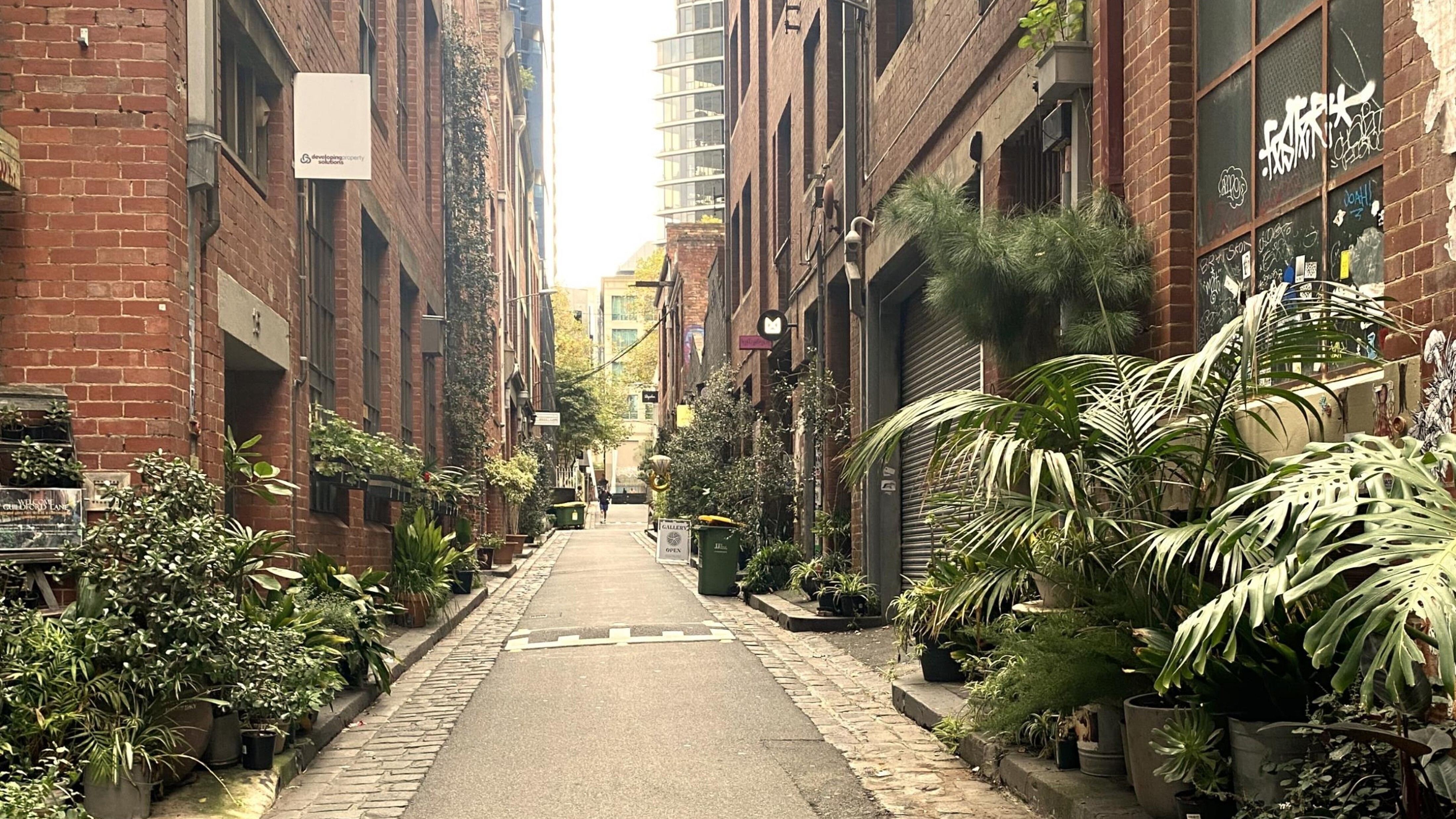
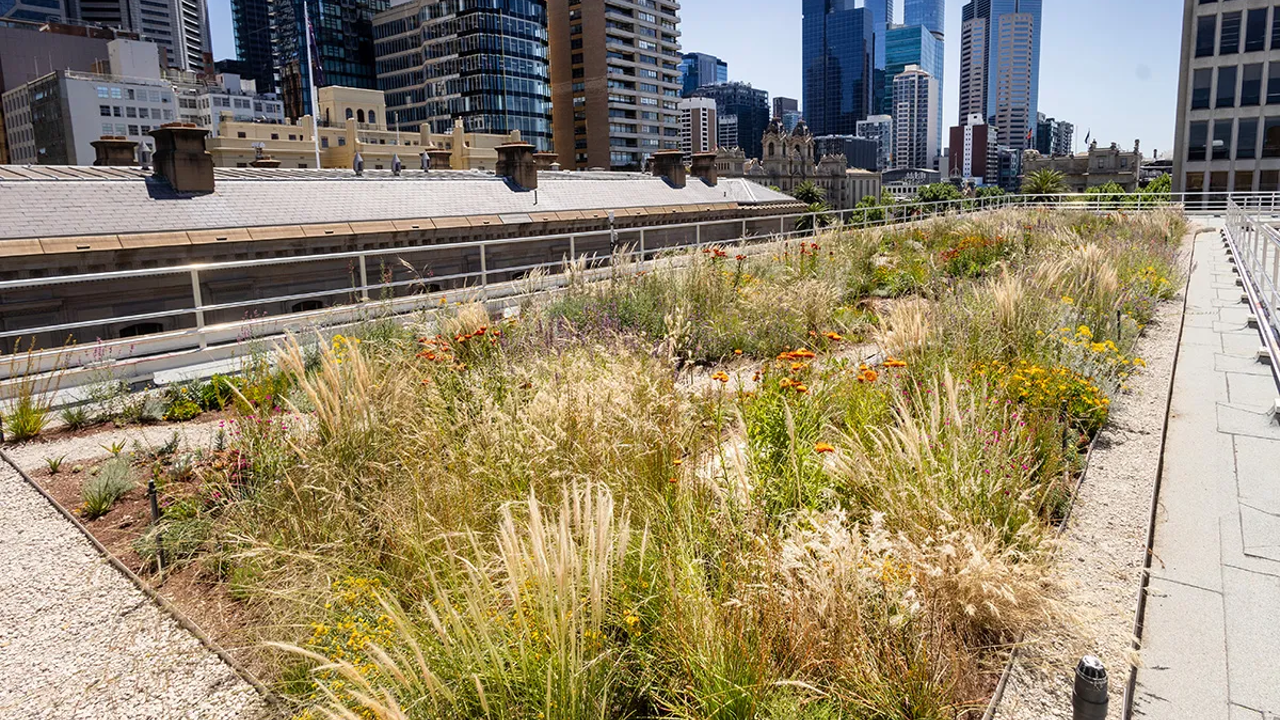
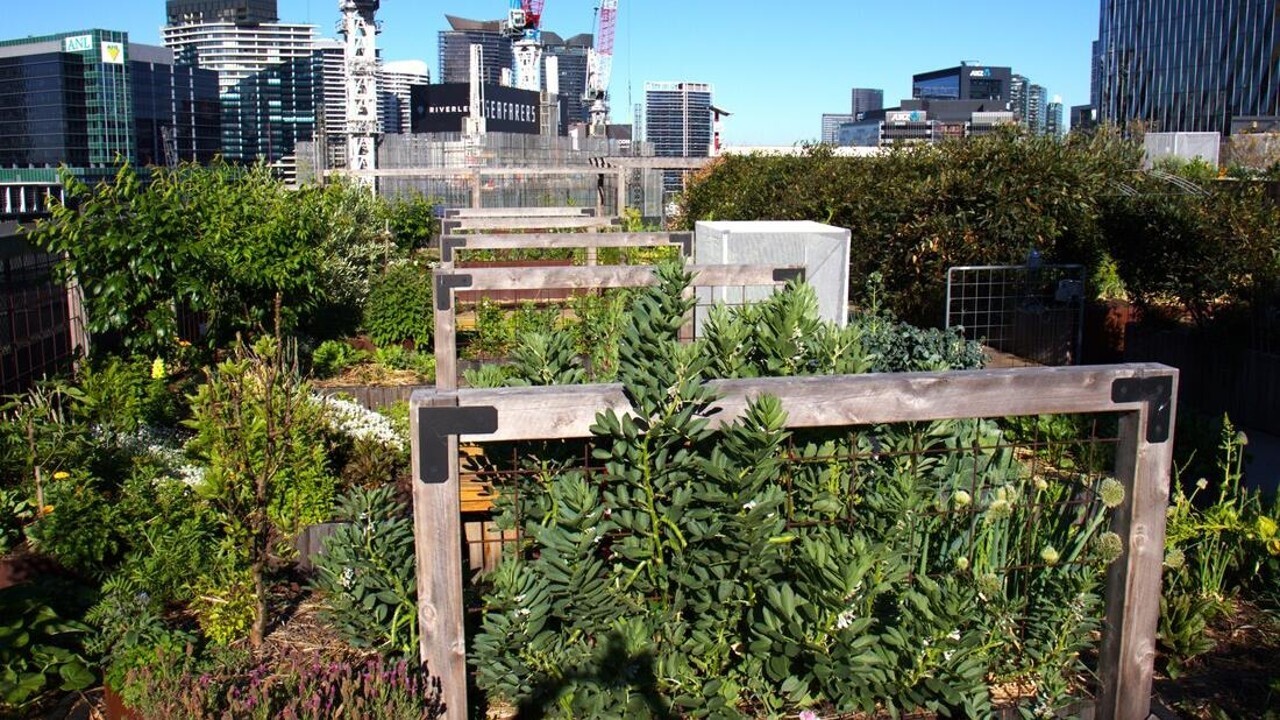 Images 7, 8, 9: Green Your Laneway, Green Our Rooftop and Urban Forest Fund projects completed by the City of Melbourne with others. Gail Hall and David Hannah
Climate Adaptation Strategies
Melbourne was one of the first Australian cities to adopt a risk‑based Climate Change Adaptation Strategy, first released in 2009 and refreshed in 2017.
The strategy identifies extreme heat, flooding, water stress and ecosystem degradation as priority climate risks, and explicitly positions greening as a primary adaptation tool through:
-
- Expanding and protecting the urban forest to reduce heat exposure and health risk
- Using WSUD and wetlands to manage flood risk and water scarcity
- Integrating greening into urban renewal, streets and buildings
- Treating green infrastructure as long‑life, low‑cost, multi‑benefit assets.
The strategy emphasises that nature‑based solutions deliver cooling at significantly lower lifecycle cost than hard infrastructure or energy‑intensive mechanical cooling, while also delivering biodiversity, health and social benefits.
Adelaide: Collaboration and Rewilding
Adelaide demonstrates how nature-based solutions can protect coastlines, enhance biodiversity, and engage communities. Green Adelaide is South Australia’s urban environmental government organisation, established in 2020, It operates across 17 metropolitan councils and focuses specifically on making metropolitan Adelaide cooler, greener, wilder and more climate‑resilient.
It is responsible for planning, funding and delivery of urban greening, biodiversity restoration, water‑sensitive urban design, and nature‑based climate adaptation projects across metropolitan Adelaide.
Adelaide is highly vulnerable to extreme heat, urban heat island effects, water stress, biodiversity loss and climate‑driven liveability risks. Green Adelaide coordinates action at a metro‑wide scale. Projects include:
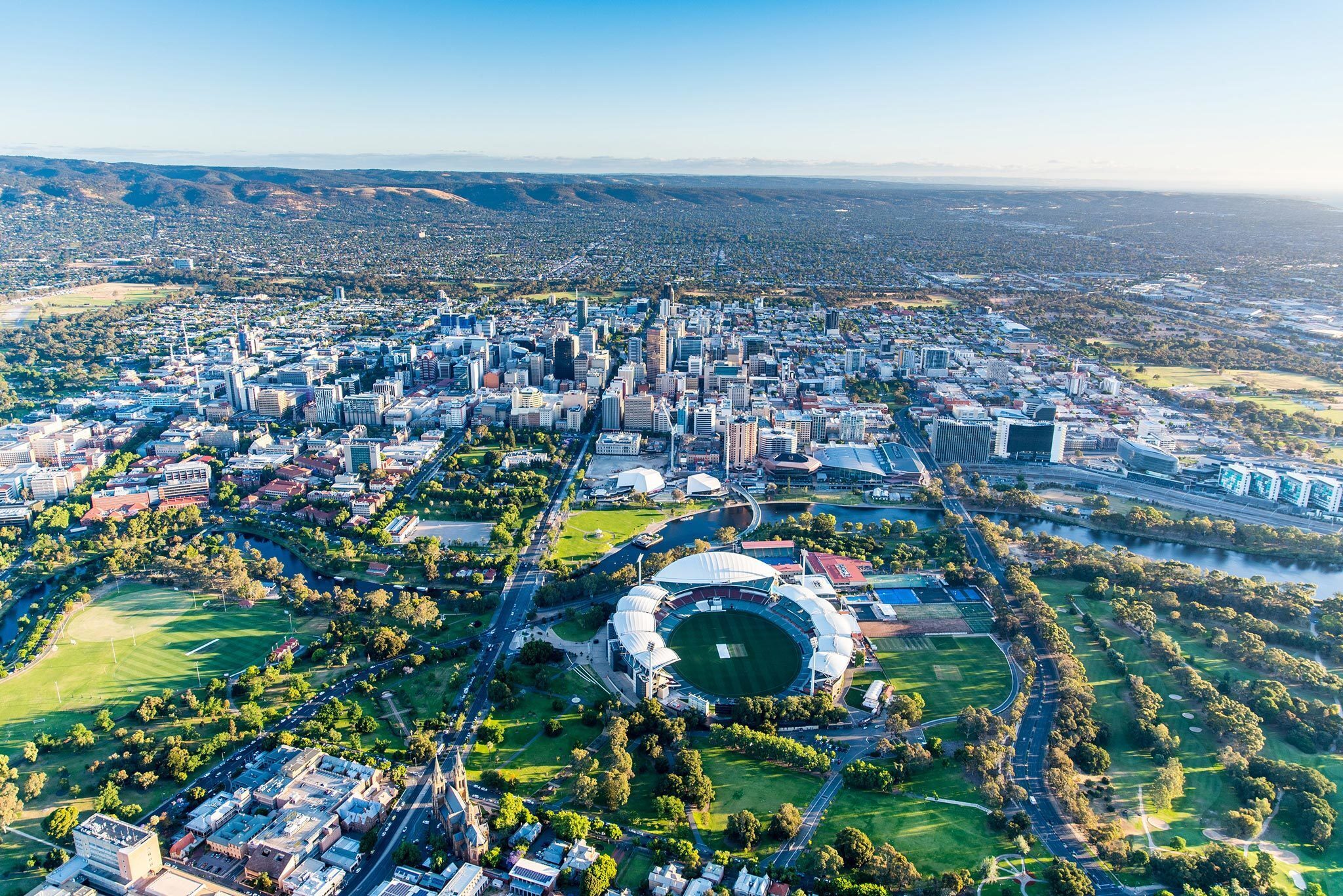 Image 10: Adelaide from above, looking south from City of Adelaide
Urban Greening Strategy & Tree Canopy Expansion
Green Adelaide developed and coordinates the Urban Greening Strategy for Metropolitan Adelaide, backed by detailed urban heat and tree canopy mapping. The strategy sets a region‑wide target to:
-
- Increase tree canopy cover from 16.7% to 30% by 2055
- Prioritise greening in hotter, more disadvantaged suburbs
- Embed greening into new development, streets, schools and public space
It is supported by Cooler, Greener, Wilder Grants, which help councils deliver on‑ground tree planting, rain gardens and shaded streetscapes. So far with this program they have developed:
-
- A metro‑wide, consistent urban heat and canopy dataset (2022)
- ~4% increase in tree canopy between earlier mapping and 2022 in many local streets and reserves
- 37 delivered projects funded across councils
- an evidence base for heat risk prioritisation and adaptation planning
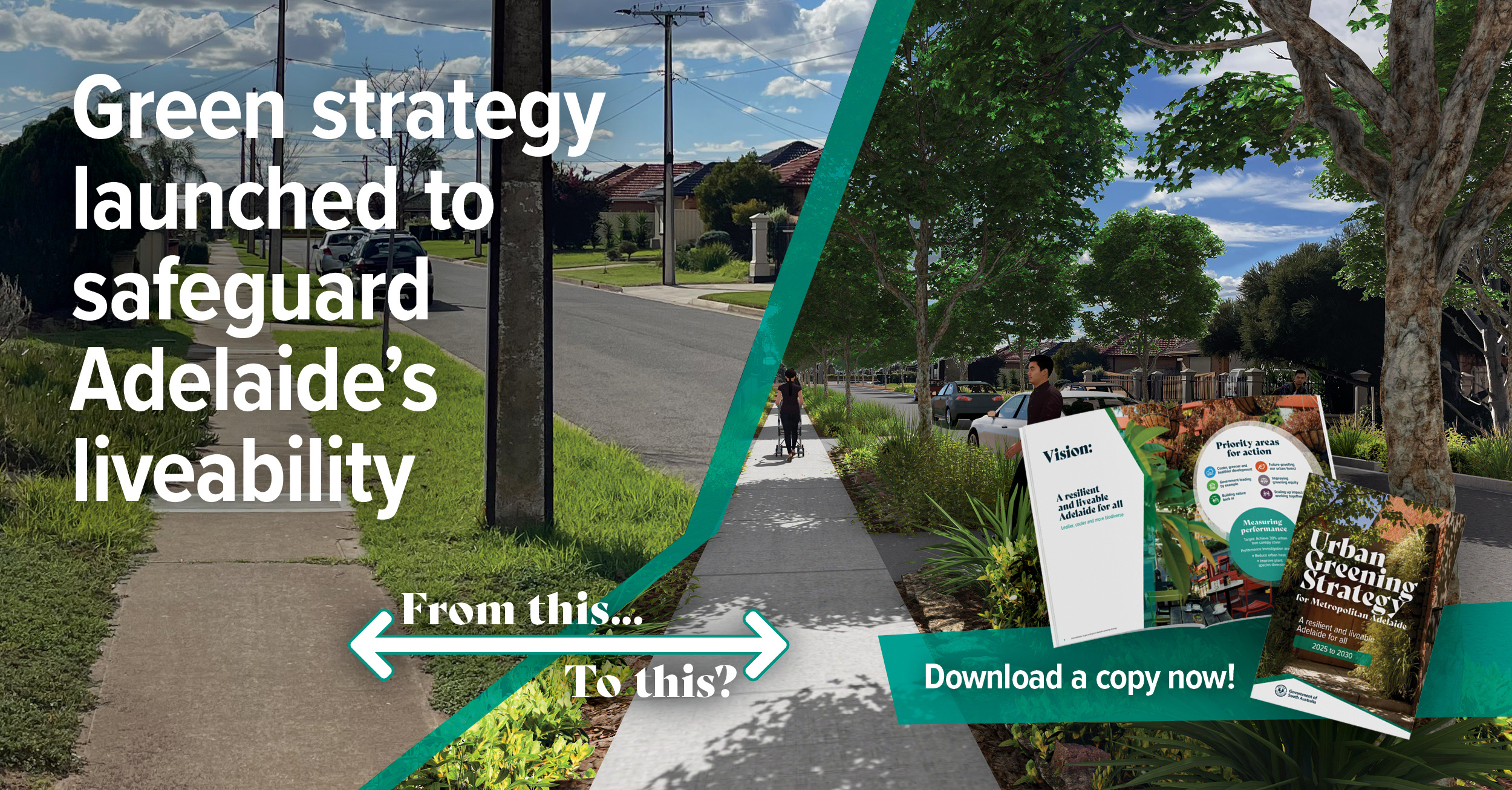 Image11: Green Adelaide’s Urban Greening Strategy, Green Adelaide
Street Greening, Water‑Sensitive Urban Design & Cooling Infrastructure
Through grants and technical guidance, Green Adelaide has backed integrated greening projects that combine:
-
- Street trees and understorey planting
- Rain gardens and bio‑retention systems
- Permeable paving and stormwater reuse
These projects are embedded into road upgrades, precinct renewals and council capital works, rather than being add‑ons. The projects aim to reduce urban flooding and stormwater runoff, increase water for vegetation during hotter, drier summers, create passive cooling, and increase resilience to future heat and rainfall extremes.
They have invested millions of dollars to date in multi‑benefit cooling projects helping councils; fund plant establishment and maintenance, design streets to be cooler, greener and more flood‑resilient and shift urban design practice towards nature‑based solutions as standard.
Rewilding Urban Landscapes & River Torrens / Karrawirra Pari Restoration
Green Adelaide leads major rewilding and ecosystem restoration projects, most notably along the River Torrens / Karrawirra Pari, including:
-
- Naturalising engineered river sections (e.g. Breakout Creek)
- Improving water quality and in‑stream habitat
- Restoring riparian vegetation
- Supporting the return of native species (including platypus recovery efforts)
These projects blend ecological restoration, flood management, cultural recognition of Kaurna Country, and climate adaptation.
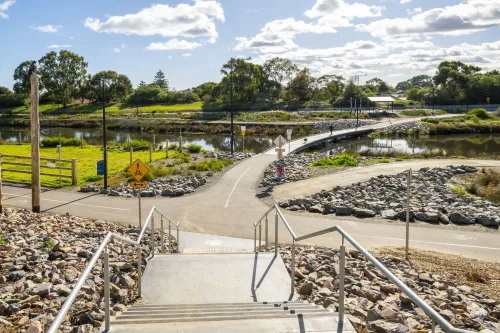 Image 12: River Torrens Breakout Creek Stage 3 restoration works Source: Green Adelaide
This work is important for climate resilience because:
- Healthy waterways buffer extreme rainfall and drough
- Vegetated corridors lower urban temperatures
- Biodiverse systems are more resilient to climate shocks
- Reconnecting people with nature improves community wellbeing
So far the river restoration projects have improved ecosystem function and water quality along key river reaches, increased native vegetation cover and habitat connectivity and importantly helped to demonstrate how urban nature can be core climate infrastructure, not just amenity.
The role of landscape architects
Landscape architects can embed climate resilience into their designs by treating landscapes as working systems that manage heat, water and ecological stress, not just aesthetic spaces. This means prioritising canopy shade and layered vegetation to reduce heat exposure, designing soils with sufficient depth and permeability to support long‑term plant health, and integrating water‑sensitive design like rain gardens, swales, wetlands and stormwater harvesting to capture, store and reuse water during both floods and droughts. Species selection should be climate‑ready and diverse, reducing risk from heat, pests and failure while strengthening ecological resilience. Designs should anticipate future climate conditions, not historic ones, by allowing space for tree growth, floodable areas for extreme rainfall, and adaptable layouts that can evolve over time. Above all, climate‑resilient landscapes should deliver multiple benefits at once; cooling, flood mitigation, biodiversity, social comfort and health, so that nature becomes core infrastructure supporting long‑term liveability rather than an optional enhancement.
Conclusion
Australia’s experience shows clearly that nature-based solutions are not optional extras for cities facing climate change. They are essential infrastructure. As one of the countries already experiencing extreme heat, water stress, flooding and rapid biodiversity loss, Australia offers important lessons for cities worldwide that are beginning to face similar pressures.
The case studies of Melbourne and Adelaide demonstrate what is possible when nature is planned, funded and designed as part of the urban system. In these cities, trees, waterways, soils and green spaces are being used to cool neighbourhoods, manage stormwater, restore ecosystems and improve public health. Tools such as performance-based planning controls, water sensitive urban design and metro-wide greening programs show how policy can be translated into real outcomes on the ground. These approaches move beyond isolated projects and instead build long-term urban resilience.
At the same time, Australia’s progress is uneven. While some cities and regions are leading with innovative tools, strong governance and sustained investment, many others remain constrained by fragmented planning systems, limited funding and inconsistent standards. Urban greening outcomes still depend heavily on where a city is located, which authority is responsible, and how much political and institutional support exists locally. This inconsistency limits the overall impact of nature-based solutions and makes it harder to respond at the scale required by climate change.
To meet the challenge ahead, Australia must do more and do better together. This means aligning policies across local, state and national levels, setting clearer and more consistent expectations for urban greening, and supporting councils and practitioners with shared data, tools and funding. It also means recognising that nature requires long-term care, not just upfront investment, and embedding maintenance, monitoring and stewardship into every project.
Landscape architects and allied professionals have a critical role to play in this transition. By designing landscapes as working systems for heat, water and biodiversity, as well as places for people, they help translate policy ambitions into resilient urban environments. Their expertise is central to creating places that perform under future climate conditions and deliver benefits for both people and nature.
Australia’s cities show that meaningful progress is possible, even under extreme climate pressure. The next step is to move from pockets of excellence to a more coordinated national approach, where nature-based solutions are standard practice across all cities. Doing so will not only strengthen Australia’s urban resilience, but also provide valuable lessons for cities around the world seeking to adapt, thrive and remain liveable in a changing climate.
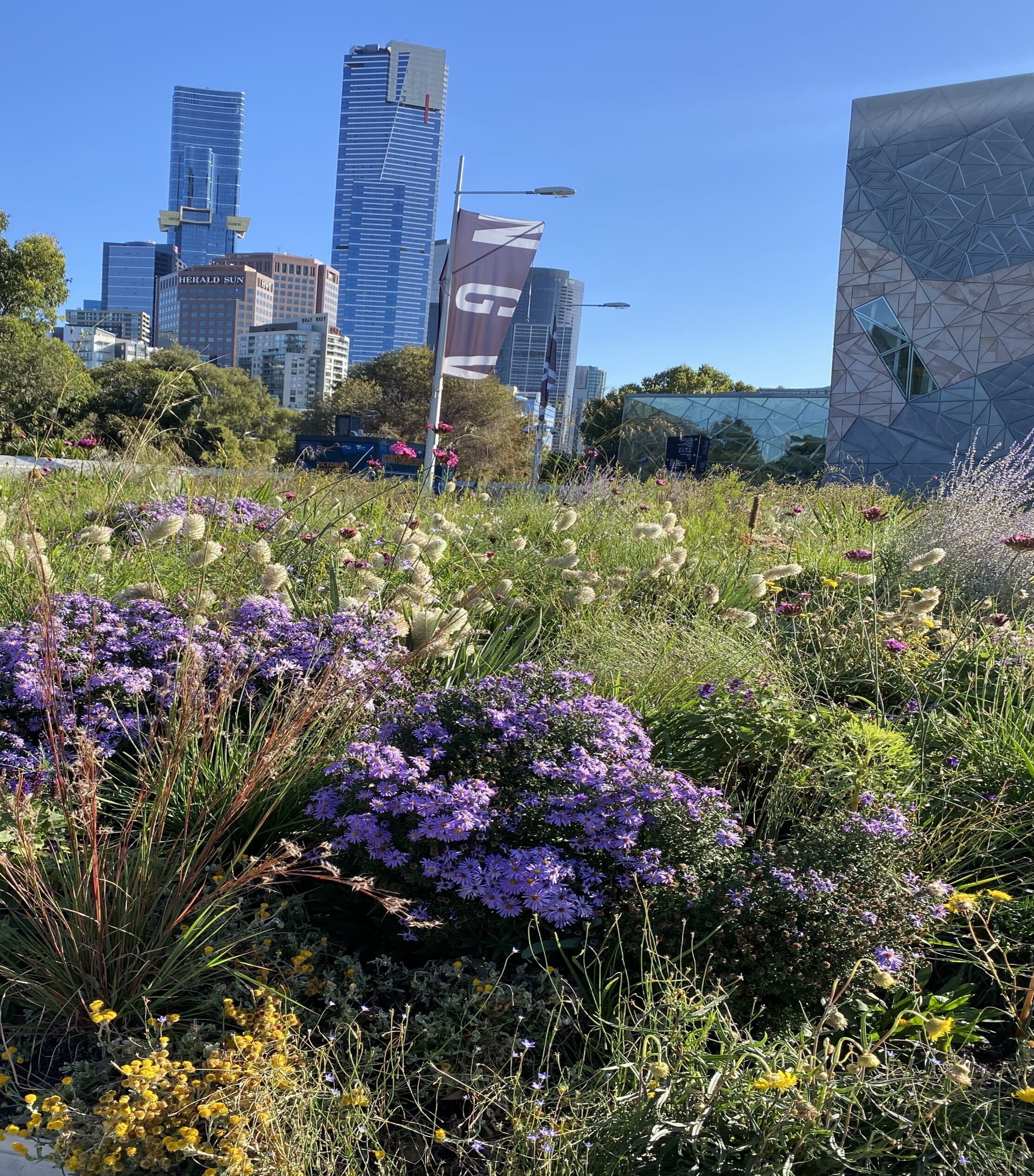 Image 13: Test garden in Federation Square Melbourne. Testing climate ready plants for wider use. Gail Hall
Online Sources
Green Adelaide. Green Adelaide official website. Retrieved March 22, 2026 from
https://www.greenadelaide.sa.gov.au/
Australian Bureau of Statistics. (2021). Census of Population and Housing. Retrieved March 22, 2026, from
https://www.abs.gov.au/
Green Adelaide. (n.d.). Urban greening strategy for metropolitan Adelaide. Retrieved March 22, 2026, from
https://www.greenadelaide.sa.gov.au/
Green Adelaide. (n.d.). Urban heat and tree canopy mapping. Retrieved March 22, 2026, from
https://www.greenadelaide.sa.gov.au/
Water Sensitive SA. (n.d.). Cooler, greener, wilder grants program. Retrieved March 22, 2026, from
https://www.watersensitivesa.com/
City of Melbourne. (2020). Green Factor tool. Retrieved March 22, 2026, from
https://www.greenfactor.com.au/
Biodiversity Council Australia. A new study estimates 1–3 species of invertebrates are becoming extinct in Australia every week. Retrieved March 20, 2026 from
A new study estimates 1-3 species of invertebrates are becoming extinct in Australia every week | Biodiversity Council Australia
Journal Articles
Grose et al. (2023). Australian climate warming: observed change from 1850 Journal of Southern Hemisphere Earth Systems Science Australian climate warming observed change from 1850 and global temperature targets
Perera, A. C. S., Davies, P. J., & Graham, P. L. (2024). A global review of urban blue-green planning tools. Land Use Policy, 140, 107093.
https://doi.org/10.1016/j.landusepol.2024.107093
Government & Institutional Reports
Australian Government. (2025). National climate risk assessment. Canberra: Commonwealth of Australia.
City of Melbourne. (2012). Urban forest strategy. Melbourne: City of Melbourne.
City of Melbourne. (2017). Green Our City Strategic Action Plan Melbourne: City of Melbourne.
Australian Government. (2022). Nature positive plan: Better for the environment, better for business. Canberra: Commonwealth of Australia.
Australian Government. (2023). Nature Repair Act. Canberra: Commonwealth of Australia.
Research Report
Where Should All the Trees Go? (2016). Report on urban canopy change across Australian local governments. Greener Spaces Better Places. Australia. Where should all the trees go? - Greener Spaces Better Places
- 關鍵字
- : 氣候韌性城市、以自然為本的解決方案、自然基礎解決方案、城市綠化、綠色基礎設施、都市熱島緩解、城市降溫措施、水敏感城市設計、生物多樣性復育、生態復育、澳洲城市、澳大利亞城市
- Keywords
- : Climate-resilient cities; nature-based solutions; urban greening; green infrastructure; urban heat mitigation; water sensitive urban design; biodiversity restoration, Australian Cities